
 English
Views: 0 Author: Site Editor Publish Time: 2025-12-24 Origin: Site


Did you know that the optical alidade has been an essential tool for surveyors for centuries? Despite the rise of modern technologies, this simple yet effective instrument continues to play a key role in surveying. In this article, we will explore the evolution of the optical alidade, from its historical origins to its present-day applications. You’ll learn how it works, its advancements, and its potential future in the surveying industry.
The optical alidade dates back to the early days of surveying when measurement tools were rudimentary yet essential. The first versions of the optical alidade appeared in the 16th and 17th centuries, primarily designed for angle measurement in land surveys. They typically consisted of a sight tube mounted on a horizontal base, allowing surveyors to line up distant objects and measure angles with reasonable accuracy. Over time, more sophisticated designs improved the clarity and precision of readings, making it an indispensable tool for many generations of surveyors.
The optical alidade became crucial in the early phases of land surveying, especially during the Renaissance when there was a surge in exploration and mapmaking. It played an essential role in the creation of the first accurate maps of the world. In the 17th century, as European nations expanded their empires, the optical alidade was widely used for military mapping and boundary setting.
As surveying became increasingly important for military, industrial, and government projects, technology advanced. Instruments like the optical alidade evolved with innovations such as the integration of telescopic sights, vertical and horizontal scales, and the addition of more refined measurement tools like the vernier scale. These changes marked the shift from basic tools to more accurate, reliable, and efficient equipment. The optical alidade's contribution was significant during this period, and it remains a relevant instrument in certain surveying applications today.
Table 1: Key Milestones in the Evolution of Optical Alidades
Today, the optical alidade has evolved significantly from its early predecessors. Modern models are often compact, easy to use, and built with more robust materials. Most contemporary optical alidades feature a precision telescope for accurate angle measurement and an integrated reticle or crosshair for alignment. These modern designs offer a high level of accuracy, especially when paired with precision scales like the vernier scale, making them suitable for tasks such as topographic surveys and building projects.
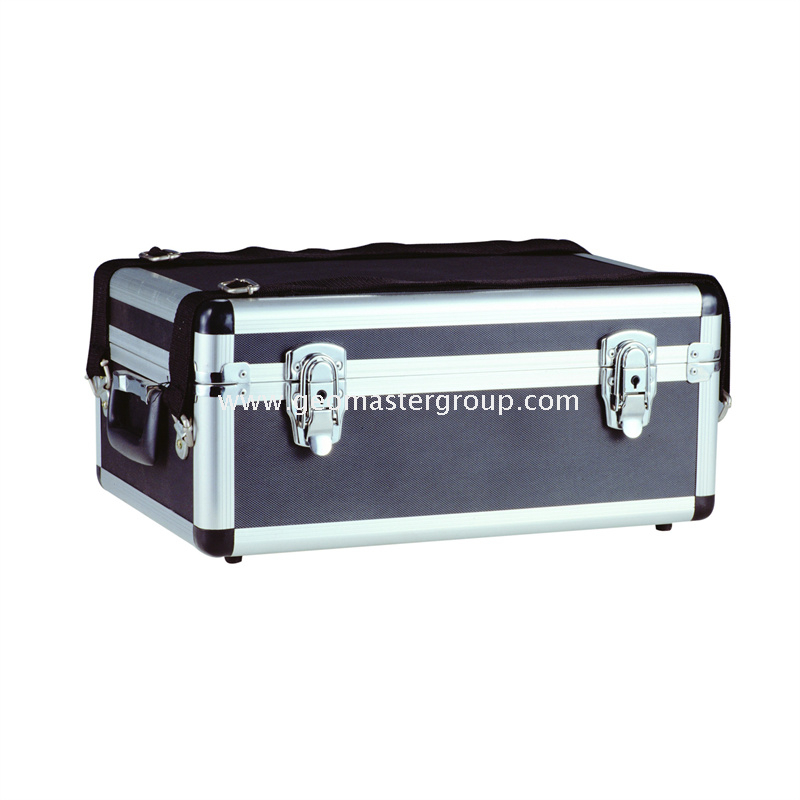
Modern optical alidades are typically made from durable, corrosion-resistant materials such as aluminum alloys and high-strength plastic composites. These materials ensure that the instruments can withstand harsh weather conditions and the rigors of fieldwork. The accuracy of contemporary optical alidades has improved with the inclusion of digital reticles and integrated laser pointers, making alignment even more precise.
Table 2: Modern Features of Optical Alidades
In modern surveying, optical alidades are used in a variety of applications, particularly in areas where traditional survey methods remain valuable. They are commonly employed in geodetic surveys, civil engineering projects, and land surveys. Surveyors also use these instruments for tasks like aligning buildings, setting out construction projects, and measuring angles for precise land mapping. While advanced instruments like total stations have gained popularity, the optical alidade remains a go-to tool for many professionals seeking reliability and precision in certain conditions.
In remote areas like the Amazon Rainforest or the deserts of Australia, modern surveying is often performed using optical alidades due to their portability and lack of dependence on electronics. In construction, the optical alidade is used for laying out building foundations and measuring angles for structural alignment, where high precision is needed but simpler technology is preferred.
Despite the growth of digital surveying tools, the optical alidade continues to offer several advantages in modern surveying. For one, it is relatively affordable compared to advanced technologies. It’s also lightweight, portable, and doesn’t require power sources, making it ideal for fieldwork. Moreover, the optical alidade offers excellent precision in measuring horizontal and vertical angles, providing surveyors with the confidence that their data is accurate and reliable.
Tip: If you need a reliable tool for simple, precise angle measurements, the optical alidade remains a strong choice, especially in outdoor or remote areas.
As the world of surveying becomes increasingly digital, the optical alidade will likely see further technological advancements. These may include the incorporation of electronic sensors and digital displays, improving the ease of reading and reducing human error. Moreover, GPS and Bluetooth integration could make it easier to pair the optical alidade with other surveying equipment, such as data collectors and mapping software. These innovations could bring together the best of traditional and modern surveying technologies, enhancing productivity and accuracy.
As digital technology continues to evolve, we may see the optical alidade incorporate augmented reality (AR) to enhance visual alignment. Surveyors could wear AR glasses that superimpose measurement grids or data directly onto the viewed landscape, thus combining the traditional tool's precision with real-time data analytics. Additionally, GPS and geospatial data integration could make the alidade part of a hybrid system, where it supplements digital technologies during fieldwork.
In the future, optical alidades will continue to play a role in tasks that don’t require high-tech equipment. As a traditional tool, it will be utilized in specific surveying environments where portability, durability, and ease of use are prioritized over advanced features. These environments often include fieldwork in remote or rugged areas where access to power or digital equipment is limited. The simplicity of the optical alidade, with its minimal reliance on batteries or electricity, makes it an ideal tool in such conditions.
Moreover, as digital technology continues to advance, optical alidades could potentially serve as a backup or secondary tool in highly precise projects. In situations where advanced equipment like total stations or GPS devices fail due to battery depletion, connectivity issues, or harsh weather, the optical alidade can still provide reliable and accurate measurements. By serving as a fail-safe instrument, the optical alidade ensures that surveyors always have a backup
Tip: Embrace the potential of future optical alidades by staying updated on technological integrations that could enhance functionality and accuracy.
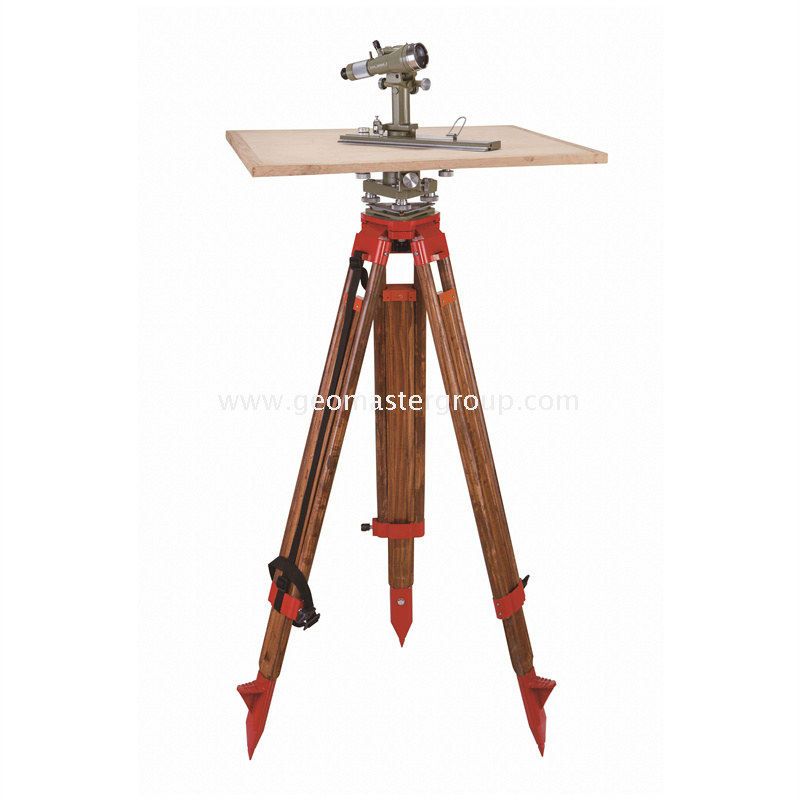
The optical alidade has evolved from a simple tool in early surveying to a more refined instrument used in modern applications. Despite advances in technology, it remains essential in providing accurate measurements. While the optical alidade may no longer be the first choice for all types of surveying, its continued use in specific fields underscores the resilience of traditional tools. It provides a blend of simplicity, accuracy, and reliability that has stood the test of time. As surveying technologies advance, instruments like the optical alidade will continue to serve as crucial backup tools, ensuring that professionals have a versatile, fail-safe instrument at their disposal when necessary.
Tianjin Geochoix Equip Sales Ltd offers high-quality optical alidades, enhancing surveying operations with precision and durability. Their products continue to meet the needs of the industry with reliable solutions for topographic and construction tasks.
A: An optical alidade is a surveying instrument used to measure angles and distances in topographic and geodetic surveys.
A: The optical alidade works by using a sight tube or telescope to align a target, then reading the angle from the measurement scale.
A: The optical alidade is essential in surveying because it provides accurate angle measurements, ensuring precision in land and construction surveys.
A: Optical alidades offer high accuracy, durability, and ease of use for surveyors, especially in difficult terrains or remote locations.
A: The optical alidade has evolved from simple manual devices to modern instruments with advanced features, improving measurement efficiency and accuracy.