
 English
Views: 0 Author: Site Editor Publish Time: 2025-12-26 Origin: Site


Choosing the right optical alidade can be a game-changer for your surveying projects. But with so many options, how do you know which one fits your needs?
In this article, we’ll guide you through the key factors to consider when selecting an optical alidade. You’ll learn about its features, the precision required, and how to match it to your specific surveying tasks.
Before choosing an optical alidade, it’s important to assess your surveying needs. Different projects have different requirements, so understanding the scope and environment of your work is essential.
Feature | Small-Scale Projects | Large-Scale Projects | High-Precision Surveys |
Precision Level | Moderate | High | Very High |
Portability | Compact and lightweight | Heavier, but stable | Stable and precise |
Durability | Basic weather resistance | High durability for harsh conditions | Durable for prolonged use |
Cost | Affordable | Moderate | Premium |
Ideal Use | Simple land surveys | Construction, large mapping | Geodetic, high-accuracy surveys |
Your choice of optical alidade will vary depending on whether you're working on small-scale or large-scale projects.
● Small-scale vs. large-scale projects: For smaller surveys, a more compact and simple optical alidade may suffice. However, larger projects may require models with advanced features that ensure greater accuracy and stability over long distances.
● Environmental factors: If you're surveying in rough terrain or under extreme weather conditions, you may need a more rugged and durable optical alidade.
The level of precision you need in your survey will directly influence your choice of optical alidade. Higher precision models are ideal for applications like geodetic surveys or detailed boundary mapping, where every degree counts.
● Accuracy standards for your projects: If you’re working on projects that require precise angle measurements, choose an optical alidade known for its fine adjustment capabilities.
● How optical alidades provide accuracy: Modern optical alidades are designed to provide high precision, making them perfect for tasks requiring exact measurements.
When choosing an optical alidade, several key features need to be considered to ensure you get the best value for your money. These features impact the usability, durability, and precision of the tool.
Feature | Importance | Why It Matters |
Durability | Essential for longevity in various environments | Reduces maintenance costs and downtime |
Precision | Critical for ensuring accurate measurements | Ensures reliable data for surveying projects |
Portability | Important for fieldwork and easy transport | Makes it easier to carry to remote locations |
Ease of Use | Key for improving efficiency and reducing user error | Helps surveyors focus on precision, not setup |
Calibration and Maintenance | Affects long-term accuracy and usability | Keeps the instrument in top working condition |
Optical alidades are often used in harsh field conditions, so durability is a crucial consideration.
● Materials used: Choose a model made from weather-resistant materials like aluminum or stainless steel to ensure long-lasting performance, especially if you’ll be working outdoors.
● How durability affects long-term use: A well-built optical alidade will require fewer repairs and have a longer service life, saving you money in the long term.
Ease of use and portability are especially important for fieldwork. Look for an optical alidade that is user-friendly and easy to carry.
● User-friendly features: Look for optical alidades with intuitive designs, including clear calibration markings and easy-to-adjust controls, which will reduce setup time.
● Portability for fieldwork: If you’re often working in remote locations, a lightweight and portable optical alidade is ideal. Models with carrying cases make transportation easier.
Proper calibration is essential for ensuring the accuracy of your optical alidade over time.
● Easy calibration options: Many modern optical alidades come with built-in features that make calibration straightforward. Choose one with quick and easy calibration adjustments to maintain accuracy in the field.
● Maintenance and care: Regular cleaning and maintenance are necessary to keep your optical alidade in top working condition. Opt for models that are easy to clean and require minimal maintenance.
Once you have a clear understanding of your needs, it’s time to compare different models of optical alidades. Each model offers a range of features and price points, so it’s essential to make an informed choice.
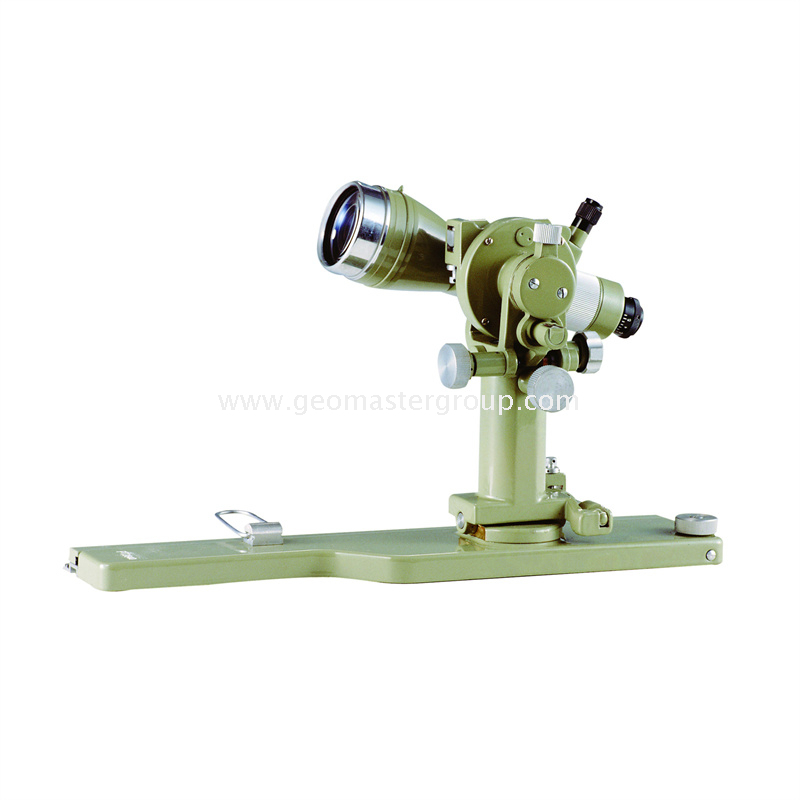
Consider what features are most important to your work and determine whether a higher-end model with more features is worth the investment.
● Balancing cost and features: Higher-priced optical alidades may offer additional features like finer precision or advanced materials, but they may not be necessary for every project. Assess your needs carefully.
● How budget impacts your choice: If your budget is limited, consider opting for a mid-range model that offers the essential features without the premium price tag.
Not all optical alidades are created equal, and comparing brands can help you make a well-rounded decision.
● Top brands in the market: Some well-known brands in the surveying world offer a wide variety of optical alidades, each designed for specific types of surveys. Compare the features, pricing, and customer feedback for a better understanding.
● Customer reviews and feedback: Read reviews from other surveyors to see how a particular model performs in real-world conditions. This will give you valuable insights into its durability, accuracy, and ease of use.
Tip: Take the time to read customer reviews and compare different brands to find an optical alidade that meets both your budget and precision requirements.
Once you've narrowed down your options, it's time to ensure that the optical alidade you choose matches the specific requirements of your surveying project.
Surveying different types of terrains will require different optical alidades.
● Selecting an optical alidade for different terrains: If you are working in rough or uneven terrain, opt for a sturdy model that can withstand the stress of such environments. Choose a lightweight model if working on flatter, less demanding ground.
● Surveying in extreme weather: If you’re frequently working in harsh weather conditions, such as rain or extreme heat, ensure that the optical alidade you select is weather-resistant and designed to perform in these conditions.
Certain surveys, like geodetic or construction surveys, may require specific features to achieve the necessary accuracy.
● Selecting for high-precision tasks: For tasks that require extremely high precision, choose an optical alidade with fine adjustment controls and high magnification.
● Versatility for multi-use surveys: If you work on various types of surveys, choose an optical alidade with versatile features that can be used for both topographic surveys and construction layout tasks.
Tip: Tailor your choice of optical alidade to the specific terrain and project type to ensure it can perform at its best.
Once you've chosen the right optical alidade, using it correctly is crucial for achieving the best results.
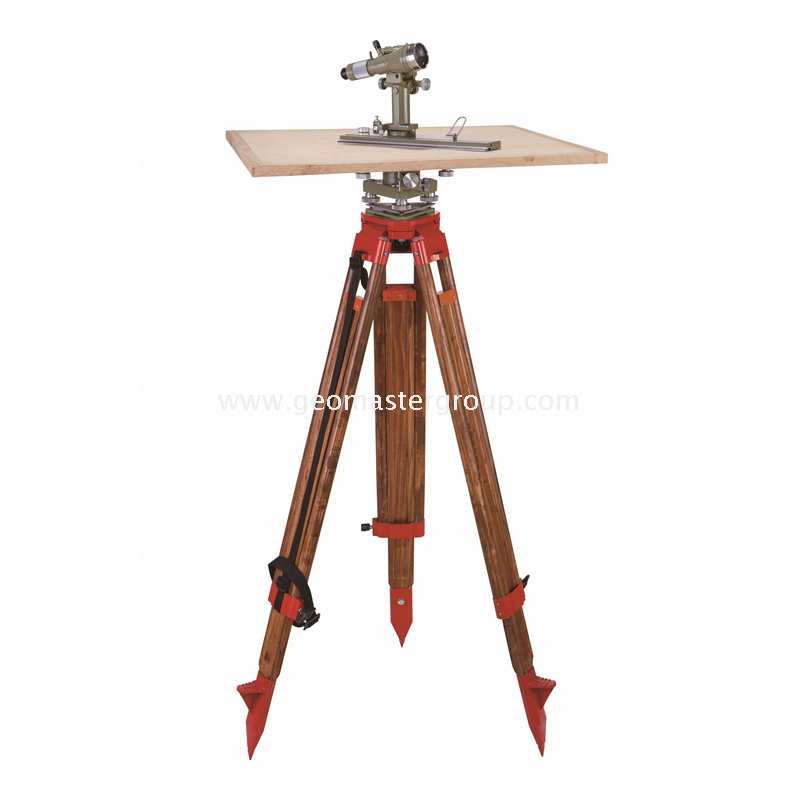
To ensure accurate measurements, it’s essential to set up your optical alidade properly before use.
● Proper alignment and calibration: Align the optical alidade with the survey line, and ensure the calibration is accurate to prevent measurement errors.
● Maintaining focus for precise readings: Adjust the focus of the alidade to ensure sharp, clear readings for accurate angle measurements.
Using your optical alidade efficiently can save you time in the field.
● Quick setup tips: Always have a designated setup routine to reduce the time it takes to get your alidade ready for use.
● Best practices for accuracy: Keep the instrument steady and make small adjustments as needed to avoid errors in your readings.
Choosing the right optical alidade is essential for accurate surveying. Consider factors like precision, durability, and terrain when selecting the best model. Tianjin Geochoix Equip sales Ltd offers high-quality optical alidades, known for their reliability and long-lasting performance, ensuring surveyors achieve optimal results for their projects.
A: An optical alidade is used to measure horizontal and vertical angles in surveying, providing precise data for mapping and layout tasks.
A: Consider factors like the size of your project, terrain conditions, and precision requirements. The right optical alidade will meet these needs effectively.
A: An optical alidade offers accuracy, durability, and cost-effectiveness for surveying tasks, making it ideal for both small and large projects.
A: Focus on durability, ease of use, precision, portability, and calibration options to ensure it fits your specific surveying needs.
A: While optical alidades are often more affordable than advanced electronic tools, they still provide high accuracy and reliability for most surveying tasks.